
Hiring a professional painter can transform your space, but ensuring the project runs smoothly requires careful planning and attention to detail. This checklist will guide you through the process, covering essential steps to make sure you hire the right expert and achieve excellent results.
Research and Compare Painting Contractors
- Check Credentials: Verify licensing, insurance, and certifications.
- Request References: Ask for references from past clients to assess their quality of work.
- Review Online Ratings: Look at reviews on platforms like Google, Yelp, or the Better Business Bureau.
- Compare Estimates: Obtain detailed quotes from multiple contractors for transparency. Ensure costs for materials, labor, and additional fees are clearly outlined.
| Criteria | Contractor 1 | Contractor 2 | Contractor 3 |
| Licensed & Insured | ✅ | ✅ | ✅ |
| Positive Reviews | ⭐⭐⭐⭐⭐ | ⭐⭐⭐⭐ | ⭐⭐⭐⭐⭐ |
| Competitive Pricing | Moderate | Expensive | Affordable |
Outline Your Expectations Early
- Rooms or exterior areas requiring painting.
- Specific walls or ceilings needing repair before painting begins.
- Provide samples or swatches if available.
- Confirm sheen preferences (e.g., matte vs. semi-gloss).
- Determine start and completion dates in writing.
- Discuss any potential delays due to weather conditions (if applicable).
- Decide on a range you’re comfortable with and discuss payment schedules.
Verify the Contract Details
- Project Scope: A breakdown of all tasks included in the job.
- Materials List: Brands and types of paints being used should be specified.
- Start/Completion Dates: Ensure timelines are reasonable and achievable.
- Warranty or Guarantee: Confirm if touch-ups or corrections post-project completion are included.
Prepare Your Space Before Work Begins
- Remove furniture or cover it with plastic sheeting to avoid paint splatter.
- Clear wall hangings such as picture frames and decorations.
- Discuss any areas that require special care with your contractor (e.g., antique woodwork).
- Ensure pets or children won’t interfere with work zones.
| Task | Status |
| Furniture Moved/Covered | ✅ |
| Wall Décor Removed | ✅ |
| Floors Protected | ✅ |
Monitor Progress Without Micromanaging
- Check in daily for updates but avoid hovering over workers.
- Offer feedback if something isn’t aligning with expectations early on rather than waiting until completion.
- Keep track of whether agreed-upon deadlines are being met.
By staying organized, communicating effectively, and preparing properly, hiring a professional painter becomes an efficient process that yields high-quality results tailored to your vision.
The Ultimate Guide on How to Choose the Best Painters Northwest Ohio
Choosing the right painting contractor can make the difference between a seamless, well-executed project and a frustrating experience. Whether you’re planning to refresh your home’s interiors or give your exterior a new look, taking the time to evaluate potential contractors carefully is crucial. Below is a comprehensive guide to help you make an informed decision.
Finding the Best House Painting OH Contractor for Your Needs
A professional painter not only delivers quality work but also ensures that your time and money are well spent. Poor workmanship may lead to uneven finishes, peeling paint, or premature wear, costing you more in the long term. Choosing wisely helps you avoid these pitfalls while ensuring your project is completed on schedule.
1. Research Potential Contractors
Start by gathering recommendations from trusted sources such as friends, family, or online reviews. Local directories and professional organizations like the Painting Contractors Association (PCA) can also provide vetted options.
- Look for licensed and insured contractors: Ensure they meet local regulatory requirements.
- Read reviews carefully: Focus on themes in feedback to identify strengths or weaknesses.
- Check their portfolio: Look for examples of past work that align with your project type.
2. Evaluate Experience and Expertise
| Criteria | Questions to Ask |
| Years in Business | How long have they been operating? |
| Specializations | Do they focus on residential or commercial projects? |
| Training & Certifications | Are their painters trained and certified by industry standards? |
A contractor with years of experience is more likely to handle unexpected challenges effectively.
3. Verify Credentials
- Confirm that the contractor has appropriate licensing for your area.
- Ask for proof of insurance coverage, including liability insurance and worker’s compensation.
- Check if they adhere to industry standards such as those set by the PCA.
4. Request Detailed Estimates
- Scope of work (surface preparation, number of coats, etc.)
- Type and brand of paint being used
- Timeline for completion
- Total cost breakdown (labor, materials, additional fees)
Avoid contractors who provide vague estimates or refuse written documentation.
Red Flags to Watch for During Exterior Painting
- Reluctance to provide references from past clients.
- Lack of proper licensing or insurance documentation.
- Pressure tactics such as pushing you into quick decisions.
- Significantly low bids compared to competitors (this could indicate subpar materials or unskilled labor).
- Poor communication skills during initial interactions.
Questions You Should Ask Before Hiring
- What steps do you take during surface preparation?
- How do you ensure proper application techniques?
- Are there warranties provided for labor and materials?
- Can I see examples of similar projects you’ve completed recently?
Their answers will give you insight into their professionalism and level of expertise.
Working with Your Contractor
- Set expectations regarding timelines and milestones.
- Agree on how any unforeseen issues will be addressed.
- Ensure that both parties sign a formal contract outlining all agreed-upon details.
Open dialogue throughout the process will help prevent misunderstandings and ensure satisfaction with results.
By following these guidelines, you’ll be well-prepared to hire a professional painting contractor who aligns with your needs while delivering exceptional results tailored specifically for your space.
Expert Tips from a Leading Painting Company in Ohio for Proper Preparation
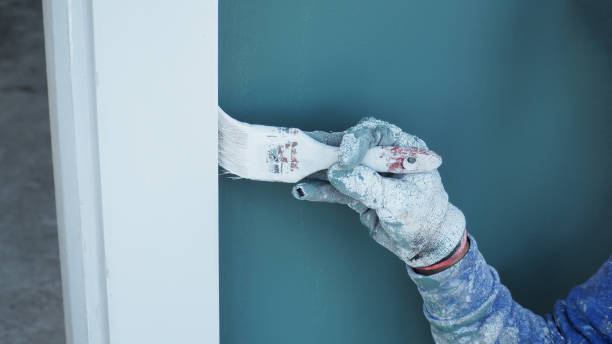
Proper preparation is one of the most critical steps in achieving a professional-looking paint job. Whether you’re repainting your interior walls, refreshing your home’s exterior, or tackling furniture projects, investing time in preparation ensures a smooth application and long-lasting results. Below, we outline expert tips to help you get ready for painting success.
Evaluate the Surface Conditions
- Dirt and grease buildup
- Cracks or holes in drywall or plaster
- Peeling or flaking paint
- Mold, mildew, or water stains
- Uneven textures on walls
Addressing these issues beforehand will create an ideal foundation for paint adhesion.
Gather the Right Tools and Materials
| Tools | Purpose |
| Sandpaper or sanding block | Smoothing rough surfaces |
| Painter’s tape | Protecting trim and edges |
| Drop cloths | Protecting floors and furniture |
| Putty knife | Filling holes or cracks |
| Paint rollers | Covering large areas efficiently |
| Angled brushes | Precision painting on edges |
Make sure to also select high-quality primers and paints suitable for your specific surface.
Clean the Area Thoroughly
- Interior Walls: Use a damp sponge with mild detergent to remove dirt and grease.
- Exterior Surfaces: Pressure wash siding to eliminate debris, mold, or mildew.
- Furniture Projects: Wipe down items with a tack cloth to remove dust after sanding.
Allow all surfaces to dry completely before proceeding with additional steps.
Repair Any Imperfections
Take time to address imperfections such as cracks, nail holes, or peeling paint. Use a patching compound for minor repairs on walls and sand any rough areas once dry. For larger issues like damaged drywall, consider replacing sections before priming.
Prime Before Painting
- Oil-based primers for covering stains like watermarks.
- Latex primers for general interior use.
- Bonding primers for glossy surfaces like tiles or laminates.
Apply primer evenly using rollers or brushes, allowing it sufficient drying time before applying paint.
Protect Your Surroundings
- Cover floors with drop cloths.
- Use painter’s tape along edges of trim, windowsills, switches, and outlets.
- Remove furniture from the room whenever possible; if this isn’t feasible, move items away from walls.
Secure all coverings firmly so they don’t shift during work.
Plan Your Painting Strategy
- Start with ceilings if needed before moving onto walls.
- Cut into corners first using an angled brush before rolling larger areas.
- Apply multiple thin coats instead of one thick layer; this avoids drips while ensuring better coverage.
By following these preparation steps diligently, you’ll set yourself up for painting success while enhancing both efficiency and quality of results during execution stages later on.
Understanding Why Some Painting Contractors Face Reputation Challenges
Reputation is a critical factor in any service-based industry, including painting contractors. While many contractors strive to deliver quality work and excellent customer service, challenges arise that can tarnish even the most well-intentioned businesses. Below, we delve into common reasons why some painting contractors face reputation issues and how these challenges can be avoided or addressed.
1. Poor Communication
One of the top reasons for reputation problems is inadequate communication with clients. Misunderstandings about project timelines, costs, or expectations often lead to dissatisfaction.
- Vague project scopes
- Lack of written contracts or agreements
- Failure to provide regular updates
How to address this issue:
Good communication is key to avoiding disputes. Contractors should:
– Provide detailed written estimates that clearly outline costs and timelines.
– Regularly update clients on progress through emails or scheduled meetings. – Ensure there’s a clear channel for client feedback during the project.
2. Inconsistent Quality of Work
Clients expect their homes or businesses to look better after a paint job—not worse. Issues such as uneven finishes, paint drips, or premature peeling are common complaints that harm reputations.
Factors contributing to poor workmanship:
– Use of low-quality materials or tools
– Inadequate surface preparation before painting
– Inexperienced workers
| Problem Area | Impact on Reputation | Suggested Solution |
| Skipping surface prep | Paint peels prematurely | Sand and clean surfaces thoroughly |
| Using cheap paints | Fades quickly, poor coverage | Invest in high-grade paints |
| Untrained staff | Visible mistakes like streaks and uneven layers | Train team members before deployment |
3. Missed Deadlines
Delays are a major cause of frustration for clients. If a project takes longer than expected without clear justification, it reflects poorly on the contractor’s professionalism.
Common causes of delays include: – Overbooking multiple jobs at once. – Underestimating time required for prep work. – Weather conditions affecting outdoor projects (for exterior painting).
To mitigate this risk: – Contractors should plan realistic schedules based on the complexity of each job. – Allocate buffer time for weather-related disruptions when working outdoors. – Avoid overbooking projects during busy seasons.
4. Unclear Pricing Structures & Hidden Costs
Unexpected costs during or after the project often leave clients feeling misled. This can result from unclear pricing structures or failing to communicate potential additional expenses upfront.
To maintain transparency: 1. Provide itemized quotes so clients understand exactly what they’re paying for. 2. Address possible unforeseen charges (e.g., repairs needed before painting) during consultations. 3. Stick to agreed pricing unless changes are formally approved by the client.
5. Lack of Proper Licensing & Insurance
Clients increasingly look for licensed and insured contractors as part of their vetting process. Working without proper credentials not only reduces trust but could lead to legal complications in case of disputes or accidents.
Checklist for compliance: – Verify that all necessary licenses are up-to-date. – Maintain liability insurance to cover potential damages during projects. – Be prepared to show documentation if requested by a client.
Final Thoughts
Reputation challenges arise not only from mistakes but also from how those mistakes are handled—or ignored—by contractors. Addressing these core issues through better communication, quality control processes, transparent pricing practices, and proper certifications will go a long way toward building trust and respect in this competitive industry.
The 7 Most Important Things to Consider When Selecting Exterior Paint
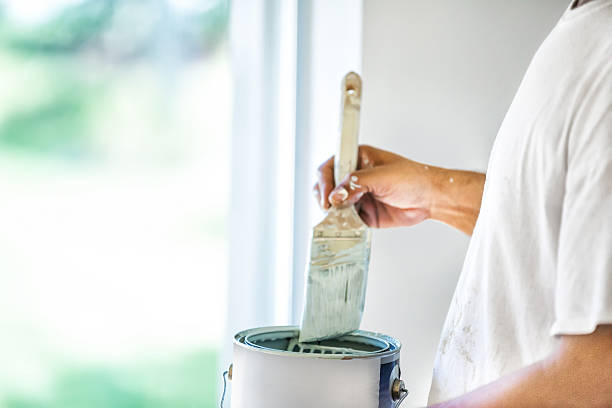
Choosing the right exterior paint is essential for enhancing the appearance and protecting your home from weather elements. A thoughtful selection can ensure durability, maintain curb appeal, and even increase the property’s value. Here are seven key considerations to guide you in selecting the perfect exterior paint.
1. Climate Suitability
The climate in your region plays a significant role in determining the type of exterior paint you should choose.
- For humid or rainy areas, select paints with moisture resistance to prevent mold and mildew.
- In regions with extreme sunlight, UV-resistant paints help reduce color fading.
- Cold climates may require flexible paints designed to withstand freezing temperatures without cracking.
By matching your paint choice to your local climate, you’ll enhance its longevity and visual appeal.
2. Durability
- High-quality acrylic or latex-based paints for enhanced durability.
- Paints with added resins that resist peeling, cracking, or blistering.
- Long warranties from manufacturers as an indicator of quality.
Durable paints can save you money by reducing the need for frequent repainting.
3. Color Selection
- Test small patches on different sections of your home to observe how light impacts the color.
- Opt for neutral colors if you’re looking to sell your home soon, as these appeal to a wider audience.
- Use accent colors on trims or doors to give depth and character without overwhelming the design.
Selecting timeless and complementary colors ensures that your home maintains an elegant look over time.
4. Sheen Level
| Sheen Type | Characteristics | Recommended Areas |
| Flat/Matte | Subtle finish; hides imperfections well | Older siding; large walls |
| Satin/Eggshell | Slightly glossy; resistant to dirt | Sidings; larger surfaces |
| Semi-gloss | Glossy finish; durable against moisture | Doors; windows; trims |
Each sheen type enhances specific areas of your exterior differently based on usage and exposure.
5. Environmentally Friendly Options
- Low-VOC (Volatile Organic Compounds) paints are safer for both personal health and the environment.
- Biodegradable formulas are available for eco-conscious homeowners.
- Energy-efficient reflective coatings help reduce cooling costs by deflecting heat from sunlight.
These environmentally friendly choices contribute positively toward sustainability while keeping your home safe.
6. Surface Preparation Requirements
- Clean surfaces thoroughly to remove dirt, algae, or mildew before applying new paint.
- Sand down rough textures or peeling areas so that fresh coats adhere properly.
- Apply primers if needed—particularly on porous materials such as wood or masonry—for a flawless finish.
Proper surface preparation minimizes future maintenance issues while ensuring professional-quality results.
7. Budget Considerations
- Compare prices across multiple brands but prioritize reputable ones known for performance.
- Account for additional expenses like primers or tools required during application.
- Invest in higher-end options if they offer extended durability or added protection against weather conditions.
Balancing affordability with effectiveness ensures long-term satisfaction without breaking the bank.
By considering these seven factors carefully before purchasing exterior paint, you’ll achieve lasting beauty and protection tailored specifically to your home’s needs. Thoughtful planning makes all the difference in achieving professional-grade results that stand the test of time.
The Hidden Truth About PDCA Standards and What Your Painter Doesn’t Want You to Know
When hiring a professional painter or evaluating painting projects, you may come across references to PDCA standards. The Painting and Decorating Contractors of America (PDCA), now known as the Painting Contractors Association, established these standards to ensure consistency, quality, and professionalism in the painting industry. While these guidelines exist to protect consumers and maintain high standards for contractors, not every painter will disclose their adherence—or lack thereof—to these benchmarks. Understanding PDCA standards can help you make informed decisions about your painting project.
What are PDCA Standards?
- Surface Preparation: Recommendations for cleaning, patching, priming, and ensuring surfaces are ready for paint application.
- Workmanship Quality: Expectations for even paint application, proper coverage, edge precision, and lack of visible defects.
- Materials Used: Guidance on selecting appropriate products based on the project’s requirements (e.g., interior vs. exterior paint).
- Project Management: Timelines for completion, communication protocols between clients and painters, and other contractual obligations.
These standards aim to minimize misunderstandings between contractors and clients while ensuring consistently high-quality results.
Why Some Painters May Not Follow PDCA Standards
- Cost Savings
Some painters cut corners by skipping essential steps such as thorough surface preparation or using subpar materials instead of those recommended by PDCA. These shortcuts can reduce costs but often compromise results in the long term. - Lack of Awareness or Training
Contractors who do not have formal training or certifications may not be familiar with all aspects of PDCA standards. - Time Constraints
In an effort to complete jobs quickly and move on to the next project, some painters may rush through critical tasks that align with PDCA guidelines. - Assumption That Clients Are Uninformed
Some painters assume that clients won’t notice or care about adherence to technical standards unless explicitly discussed during consultations.
How Adherence to PDCA Standards Benefits You
When your painter follows these guidelines:
– You receive a higher-quality finish with fewer defects such as uneven coverage or peeling over time. – Projects tend to stay on schedule due to clear expectations around preparation and execution. – Proper materials ensure durability—especially crucial for exterior paint jobs exposed to harsh weather conditions. – Disputes over workmanship can be avoided since there is an objective benchmark for assessing quality.
Questions To Ask Your Painter About Standards
To ensure your contractor understands and adheres to best practices:
1. Are you familiar with PDCA (or PCA) industry standards?
2. How do you approach surface preparation before applying paint?
3. Do you use products that meet professional-grade recommendations? If so, which ones?
4. Can I review a detailed scope-of-work document before the project starts?
By asking these questions upfront, you create accountability while setting clear expectations regarding process and result quality.
| Aspect | Without PDCA Adherence | With PDCA Adherence |
| Surface Preparation | Minimal cleaning; uneven base | Thorough cleaning; consistent base |
| Material Selection | Low-cost paints; short lifespan | High-quality paints tailored for purpose |
| Workmanship Quality | Visible imperfections | Smooth finishes with defined edges |
| Communication & Timelines | Vague deadlines; poor updates | Clear timelines; regular communication |
Knowing what’s behind the hidden truth about PDCA standards empowers you as a consumer while ensuring your next painting project meets professional benchmarks from start to finish.
- 7 Tips to Finding Reliable and Professional House Painters for Your Next Exterior Painting Project
- How to Choose the Best Painting Company Ohio Offers for Your Home and Beyond
- How to Choose the Best Painting Company Ohio for Your Residential or Commercial Needs
- How to Choose the Best Painters Northwest Ohio for Your Home Improvement Project
- A Detailed Checklist for Choosing Painting Services Northwest Ohio
- 10 Compelling Reasons to Choose a Trusted Painting Company Ohio for Your Space
- Mistakes to Avoid When Choosing the Right Painting Company Ohio Residents Trust for Your Next Project
- Painting Company Ohio: Complete Price Guide for Duplex House Painting in 2026